How To Save Money In Singapore: Practical Budgeting & Saving Advice
Post date:


Key Takeaways
- Expats can significantly reduce expenses by choosing affordable neighbourhoods, using public transport instead of owning a car, and planning grocery spending strategically, key foundations of effective budgeting in Singapore.
- Building a health insurance plan, automating savings, and maintaining an emergency fund covering 3–6 months of expenses are crucial steps in managing the cost of living Singapore expats.
- Professional planning maximises long-term savings. Partnering with BlueAlpha Capital helps expats create a personalised digital financial blueprint, aligning income, investments, and goals for smarter decisions on how to save money in Singapore and grow wealth confidently

How To Save Money In Singapore: 13 Practical Ways
1. Choose The Right Neighbourhood For Affordable Rent
For expats learning how to save money in Singapore, choosing the right neighbourhood is the first and most effective step. Rent takes up a large share of expenses, and selecting an affordable area directly lowers the cost of living for Singapore expats and helps improve budgeting in Singapore.
Rental costs depend heavily on distance from the Central Business District (CBD). Living in Orchard or Marina Bay can cost two to three times more than suburban estates. By choosing neighbourhoods farther out, expats can save SGD 1,000–2,000 per month while maintaining access to public transport and daily conveniences.
Below are the top affordable areas for expats looking for practical and cost-effective housing:
| Rank | Neighborhood | Average Rent (3-room HDB) | Why It’s Affordable | MRT Line |
| 1 | Jurong West | ~SGD 1,800/month | Farther from the city centre | East-West Line |
| 2 | Woodlands | SGD 1,600–1,900/month | Bordering Malaysia, suburban vibe | North-South Line |
| 3 | Sembawang | SGD 1,700–2,000/month | Remote location, seaside charm | North-South Line |
| 4 | Bukit Batok | SGD 1,800–2,200/month | Balanced environment, parks nearby | Downtown / North-South |
| 5 | Yishun | SGD 1,700–2,100/month | Community-focused and affordable | North-South Line |
| 6 | Tampines | SGD 1,900–2,300/month | Self-contained town with full amenities | East-West Line |
| 7 | Pasir Ris | SGD 1,800–2,200/month | Resort-like lifestyle at a lower cost | East-West Line |
These neighbourhoods offer safe environments, reliable MRT connections, and access to malls, supermarkets, and parks, ideal for expats prioritising both comfort and savings.
To make your housing budget stretch further in Singapore:
- Look beyond the CBD: Prices drop significantly outside central districts.
- Choose HDB flats: Public housing is modern, spacious, and far more affordable than private condos.
- Consider flat-sharing: Splitting rent can lower costs by 30–50%.
- Plan your commute: Use a personal budget template to check that rent savings outweigh additional travel expenses.
2. Use Public Transport And Skip Car Ownership
Skipping car ownership is one of the most effective ways on how to save money in Singapore. The cost of owning a car, including COE, insurance, parking, and fuel, can reach SGD 10,000–15,000 per year, making public transport the more practical choice for budgeting in Singapore.
Singapore’s MRT and bus networks cover almost every area, offering fast and reliable service. Pay fares using an EZ-Link card, NETS FlashPay, or SimplyGo with a contactless bank card, smartphone, or smartwatch. SimplyGo is ideal for expats, it lets you tap directly without buying a separate card.

To use public transport efficiently:
- Plan routes smartly: Use the official Transit app to find the fastest routes with the fewest transfers. Enter your starting point and destination to get real-time arrival data and travel times.
- Time your travel: Services start around 5:30 am and run until midnight. Trains arrive every 2–3 minutes during peak hours (7:15–9:00 am, 5:00–7:00 pm) and every 5–7 minutes off-peak. Leave slightly earlier during busy periods to avoid crowds.
- Use flexible payments: Tap in and out with EZ-Link, NETS FlashPay, or your phone through SimplyGo. Contactless payment options are faster and eliminate the need for top-ups.
For daily living without a car:
- Shop near MRT stations: Choose supermarkets or malls close to transport lines to make grocery runs easier.
- Use rolling bags or delivery: Carry essentials in a wheeled bag or use delivery for heavier items.
- Ride-hailing when needed: Services like Grab or Gojek are practical for late-night trips or areas not covered by MRT or bus routes.
3. Get Health Insurance That Matches Your Expat Needs
Getting the right health insurance is the key on how to save money in Singapore as an expat. While Singapore’s healthcare system ranks among the best globally, foreigners do not receive the same subsidies as citizens and permanent residents. Yet, there are insurance types designed for expats, including:
- Group insurance (employer-provided): Many companies offer medical coverage to employees holding a work permit or S-pass. Always check what’s included and excluded. Some policies may not cover dental treatments, maternity, or pre-existing conditions, and may restrict you to certain hospital networks.
- Private health insurance: Best suited for those on employment passes or dependants without company coverage. Premiums vary by age, gender, and coverage level, but private plans can be customised to include specialist consultations, hospitalisation, or family dependants.
- International health insurance: Ideal for expats who travel across Asia or relocate frequently. These plans provide access to private hospitals, regional coverage, and emergency medical evacuation, ensuring protection both in Singapore and abroad.
Expats on work permits or S-passes are legally covered under employer-paid insurance of at least SGD 15,000 per year. However, employment pass holders and dependants are not automatically insured and must purchase their own plans.
Since expats are not eligible for Singapore’s national MediShield Life insurance, which covers citizens and permanent residents through CPF contributions, they must pay full medical costs if uninsured.
To choose the right plan, expats in Singapore can follow these tips:
- Check coverage limits carefully: Ensure your plan includes hospitalisation, outpatient treatment, surgery, and emergency services. Look for plans that also cover maternity or dental care if needed.
- Review exclusions: Pay attention to pre-existing conditions, waiting periods, and hospital restrictions that could affect your claim eligibility.
- Compare providers and premiums: Request quotes from several insurers to balance affordability with sufficient protection.
- Add family members if applicable: Many expat plans allow dependent coverage, essential for families relocating together.
- Consider international coverage: If you travel regionally or globally, choose a plan that includes cross-border healthcare and medical evacuation.
- Evaluate hospital access: Confirm whether the plan allows admission to reputable private hospitals like Mount Elizabeth or Gleneagles, which offer faster service for expats.
4. Shop Smart For Groceries And Essentials
When living in Singapore, it’s easy to overspend on daily groceries without noticing. But with a few smart habits, you can keep your food budget under control while still enjoying quality products and convenient shopping.
The key lies on where and how you shop: the right mix of supermarkets, online platforms, and local markets can make all the difference.
For everyday value:
- Sheng Siong offers some of the lowest basket prices island-wide. It’s ideal for weekly grocery runs, with fresh produce, essentials, and in-house promotions that beat most chains.
- FairPrice remains the most reliable choice for balanced prices and variety. Look out for their Price Drop deals and FairPrice housebrand items, which are typically 10–15% cheaper than name brands. Use the Link Rewards card or FairPrice app for extra discounts and loyalty points.
- Other supermarkets like Cold Storage and FairPrice Finest offer premium options and frequent markdowns on near-expiry or reduced-to-clear items, especially later in the evening.
For convenience and online orders:
- Pandamart delivers groceries round-the-clock, often within 30 minutes. Perfect when you’re short on time.
- FairPrice Online, GrabMart, or boutique platforms like Open Taste and Good Food People are great for comparing prices and stocking up on essentials without stepping out.
For fresh and gourmet picks:
- Try Little Farms for fresh, imported produce and ethically sourced meats.
- Explore Pasar United (on Facebook) for local sellers offering fresh items directly to your doorstep.
For household and health essentials:
- Cheers and HAO Mart cover the basics, cleaning products, toiletries, and quick-grab essentials, often with attractive bundle deals.

In fact, don’t underestimate your local wet market or neighbourhood supermarket. Smaller grocers like U Stars or Prime Supermarket often offer comparable prices, plus a personal touch, friendly staff, occasional freebies, and even unadvertised discounts.
Building a relationship with your local store can lead to better deals and a more community-minded way to shop.
5. Leverage Credit Card Rewards And Cashback Programs
For expats managing their budgeting in Singapore, learning how to leverage credit card rewards and cashback programs is one of the most effective ways to offset the cost of living in Singapore. These tools, when used smartly, can turn everyday spending into long-term savings and travel perks.
- Consolidate your credit cards with Instarem Amaze:
Instarem’s Amaze card lets you link up to five Mastercard debit or credit cards into one digital wallet, making it easier to manage rewards.
Although direct cashback has been replaced with InstaPoints, the absence of foreign currency (FCY) fees makes it excellent for expats who travel or make overseas transactions. When paired with high-mileage cards like Citi Rewards or UOB Lady’s, you can still earn up to 4 miles per dollar spent.
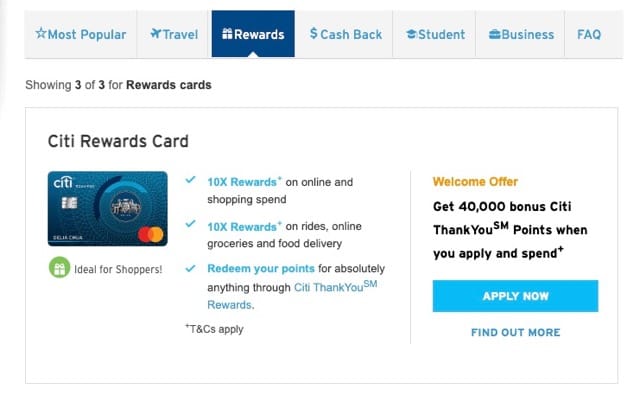
Citi Rewards Cashback Card in Singapore. Source: Shrug My Shoulder
- Maximise airport-linked rewards via iChangi and Kris+ apps:
Frequent flyers can benefit greatly from these two free apps. With iChangi, you can collect Changi Rewards points and redeem them for e-vouchers and shopping discounts at the airport. Kris+ goes even further by offering up to 6% miles rebates across 1,000 partner outlets across Singapore.
Every purchase made through Kris+ can also earn extra miles if your credit card is linked to Apple Pay or Google Pay, a practical way for expats to convert daily spending into travel upgrades or hotel stays.
- Earn instant cashback with ShopBack and Fave:
Apps like ShopBack and Fave give users immediate cashback instead of points. ShopBack has a wider merchant network, while Fave focuses more on local partners like salons, cafes, and entertainment venues. Cashback can either be applied directly to your next purchase or transferred to your account.
To maximise rewards, link your GrabPay Wallet or credit card to both apps, allowing you to automatically track cashback and rewards from every transaction.
- Stack discounted e-Vouchers and e-Cards for extra savings:
Before paying, always check for discounted vouchers on ShopBack and Fave. You can often find deals like S$100 Uniqlo e-Vouchers for S$95 or S$200 Teo Heng eCards for S$180.
These small savings add up quickly when applied to recurring purchases like groceries, fashion, or entertainment, helping you stretch your personal budget template without compromising your lifestyle.
- Double up on GrabPay and credit card rewards:
Paying with GrabPay lets you earn both GrabRewards points and credit card cashback simultaneously. Normal users earn 0.6% back in points, while Platinum members get up to 1.2%. Combine this with promo codes or e-Vouchers for “stacked” savings.
This strategy is especially effective for common expat expenses like dining out, groceries, and transport, ensuring every dollar spent generates maximum returns.
6. Automate Your Savings And Track Expenses
One of the most effective ways on how to save money in Singapore is to remove the guesswork, by automating your savings and tracking your spending habits. This approach helps expats maintain financial discipline while adapting to the high cost of living in Singapore.
When automating your savings as an expat in Singapore, set up recurring GIRO transfers from your main bank account to a dedicated savings or investment account every month. You can also arrange for direct deposits, so a fixed portion of your salary automatically goes into your savings before you even see it.
If you’re contributing to Singapore’s systems, consider automating top-ups to your Supplementary Retirement Scheme (SRS). Both offer tax reliefs and long-term growth, making them ideal for expats with a stable income in Singapore.
For low-risk growth, allocate part of your automated savings to Singapore Savings Bonds or Treasury Bills, secure government-backed options recommended by the CPF Board.
Next, the best way to track your expenses, besides using a tracksheet as a personal budget template, is to utilise personal finance apps to monitor your daily spending and spot areas for improvement, such as:
- Planner Bee: Syncs with bank accounts and investment portfolios to give a full financial overview.
- Monny: Adds a fun, gamified approach to budgeting, great for new users.
- Money Manager or Spendee: Automatically categorise expenses and visualise trends.
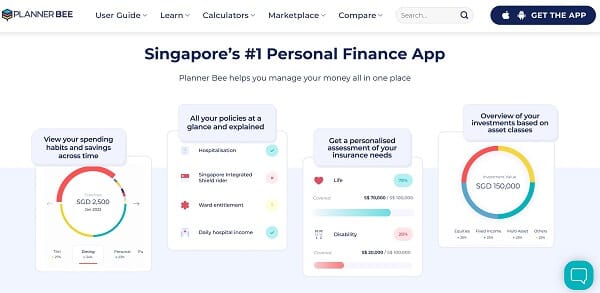
Planner Bee, the personal finance app in Singapore. Source: RemitFinder
Alternatively, most banks offer built-in tools, like DBS digibank’s “Plan and Invest” tab, which automatically tracks and groups your transactions for easy monitoring.
7. Set Realistic Financial Goals
To truly save money in Singapore and achieve long-term stability, expats need to set financial goals that are realistic, measurable, and achievable. Having a clear direction helps you stay disciplined and manage your budgeting in Singapore more effectively, especially in a city with a high cost of living.
- Build S.M.A.R.T saving habits: Use the S.M.A.R.T framework to define your goals:
- Specific: Clearly state what you want to achieve.
- Measurable: Fix a definite amount or milestone.
- Achievable: Set goals within your earning capacity.
- Realistic: Ensure your goals match your financial situation.
Time-bound: Give yourself a specific deadline to reach it.
For example, instead of saying “I want to save for retirement,” aim for “I want to build S$200,000 in 10 years for retirement.” Having a concrete figure helps you plan your savings and investment strategy step by step.
- Harness the power of compound interest:
Start saving early and let compound interest work for you. Even small, consistent contributions to a savings or investment account can grow significantly over time. The key is to keep your money invested and allow your interest to earn more interest, maximising growth without extra effort.
- Set aside an emergency fund:
Unexpected expenses such as medical bills or job transitions can disrupt your finances. Build an emergency fund covering 3 to 6 months of living expenses. You don’t need to save the full amount immediately, set aside a fixed amount monthly until you reach your goal.
- Follow a structured budgeting method: Adopt the 50/30/20 rule as a simple way to balance spending and saving:
- 50% for needs (rent, food, transport)
- 30% for wants (dining, leisure)
- 20% for savings or investments
- Stay consistent and review regularly
Revisit your financial goals every few months to adjust for changes in income, expenses, or priorities. Staying flexible while keeping long-term discipline allows you to maintain momentum and build financial security in Singapore’s dynamic environment.
8. Invest Wisely To Grow Your Savings
Once your savings habits are established, the next step on how to save money in Singapore effectively is to make your funds work for you through careful investing.
For expats managing their budgeting in Singapore, choosing the right mix of investments can help balance safety and growth.
- Understand your risk appetite:
All investments involve some level of risk. Higher returns often mean higher volatility, so it’s crucial to assess how much risk you’re comfortable taking. For new investors, start small with low-risk options before exploring more advanced instruments.
- Explore low-risk investment options: If you prefer stability and predictable returns, consider these safer investment choices available in Singapore:
- Singapore Savings Bonds (SSB): Government-backed bonds with step-up interest rates that rise over time, starting at 2.66% in year one and up to 3.01% by year ten. You can hold them for up to ten years, withdraw anytime without loss, and enjoy guaranteed principal protection.
- Treasury Bills (T-bills): Short-term securities (6 or 12 months) issued by the government. They’re sold at a discount and mature at full value, with yields averaging 2.4% to 3.1% in recent months, ideal for short-term, low-risk growth.
- Fixed Deposits: Offered by banks and financial institutions, these provide guaranteed interest higher than regular savings accounts. Funds are typically insured up to S$100,000 under the SDIC scheme, making them a secure short-term investment choice.

Invest wisely in SIngapore. Source: Beansprout
- Diversify for steady growth:
Avoid putting all your money in one place. Combine low-risk assets with diversified instruments such as exchange-traded funds (ETFs) or robo-advisors, which spread your investments across global markets for better long-term growth potential.
9. Build An Emergency Fund
Building an emergency fund tends to be underestimated in the guide on how to save money in Singapore, but it is the strategy to ensure long-term financial security. For expats, it acts as a financial safety net that helps you manage:
- Rising healthcare costs: Medical expenses can increase with age or unexpected illness. An emergency fund helps cover doctor visits, specialist consultations, or medications that may not be fully covered by insurance.
- Unexpected home repairs: Situations like plumbing issues or electrical failures can happen without warning. Having funds set aside allows you to fix these problems quickly without affecting your monthly budget.
- Loss of income: Job changes, reduced working hours, or sudden layoffs can impact your income. An emergency fund provides financial stability during these transitions.
Ideally, an emergency fund should cover 3 to 6 months of your living expenses, including rent, utilities, groceries, healthcare, and transportation. Instead of trying to save a large amount all at once, start small and save consistently each month. Gradual contributions make the process easier and less stressful.
To build your fund effectively:
- Save consistently: Set aside a fixed portion of your income each month, automating transfers can help maintain discipline.
- Keep it separate: Open a dedicated savings account just for emergencies. This prevents accidental spending and ensures easy access when needed.
- Prioritise liquidity: Keep your emergency savings in a regular savings account or low-risk instruments like Singapore Savings Bonds (SSBs), which allow withdrawals anytime without penalties. Avoid locking funds in fixed deposits where early withdrawal incurs fees.
Having an emergency fund gives you peace of mind and financial flexibility. It allows expats to handle unforeseen challenges confidently and focus on long-term goals like retirement or investments without financial stress.
10. Seek Financial Advice Tailored For Expats
After managing your rent, transport, healthcare, and daily expenses, the final step on how to save money in Singapore is to get expert financial advice that fits your expat lifestyle.
Singapore’s financial landscape can be complex, from international taxation and foreign income management to retirement planning abroad, so having professional guidance ensures that your budgeting in Singapore aligns with your long-term financial goals.
That’s exactly where BlueAlpha Capital helps.
Our expat-focused financial planning service creates a digital financial blueprint designed to give you full visibility of your financial life in Singapore. Through our secure platform, we consolidate your income sources, overseas accounts, investments, and liabilities into one clear picture, so you can see precisely how your money works across currencies and markets.
We model how your finances evolve under different scenarios:
- How much can you save monthly after rent, transport, and insurance expenses?
- How long will your emergency fund sustain you in case of job loss or relocation?
- How your portfolio will perform under different market or exchange-rate conditions.
- How much will you need to retire comfortably in Singapore or abroad?
Each plan is data-driven, goal-based, and fully visualised. You’ll know exactly how your income allocation, through local savings, offshore accounts, or investments, contributes toward your key goals like retirement funding, property purchase, or children’s education.
Start your digital financial blueprint today with BlueAlpha Capital and take control of your financial life with clarity, confidence, and purpose.